
Reviewed · MUSEUMS
Santorini: Tomato Museum Admission Ticket with Audio Guide
Santorini’s famous tomato is tiny, sweet, and shaped by the island’s dry soil. At the D. Nomikos Industrial Tomato Museum, you see how this humble crop became an important local industry, from late-19th-century farming to factory production.
I like the self-guided audio tour, which lets you set your own pace, and I like the chance to taste the cherry-sized tomato rather than simply read about it. The main consideration is transport: the museum is in Vlychada, not central Fira, and the public bus runs from Fira only every two hours.
In This Review
- Key points to know before you go
- Why Santorini built a museum around a small tomato
- Entering the D. Nomikos factory in Vlychada
- Following the tomato from field to factory
- What the machinery tells you about old Santorini
- Tasting Santorini’s sweet cherry tomato
- Five languages and a pace you control
- Getting to Vlychada from Fira
- Is the $14 ticket good value?
- Who should make time for this museum?
- Should you book the D. Nomikos Tomato Museum?
- FAQ
- Where is the Santorini Tomato Museum?
- How much does admission cost?
- How long is the ticket valid?
- Is transportation included?
- How often does the public bus run from Fira?
- Is a live guide included?
- Which audio guide languages are available?
- Should I bring headphones?
- Is the museum wheelchair accessible?
- Can I buy tomato products at the museum?
Key points to know before you go
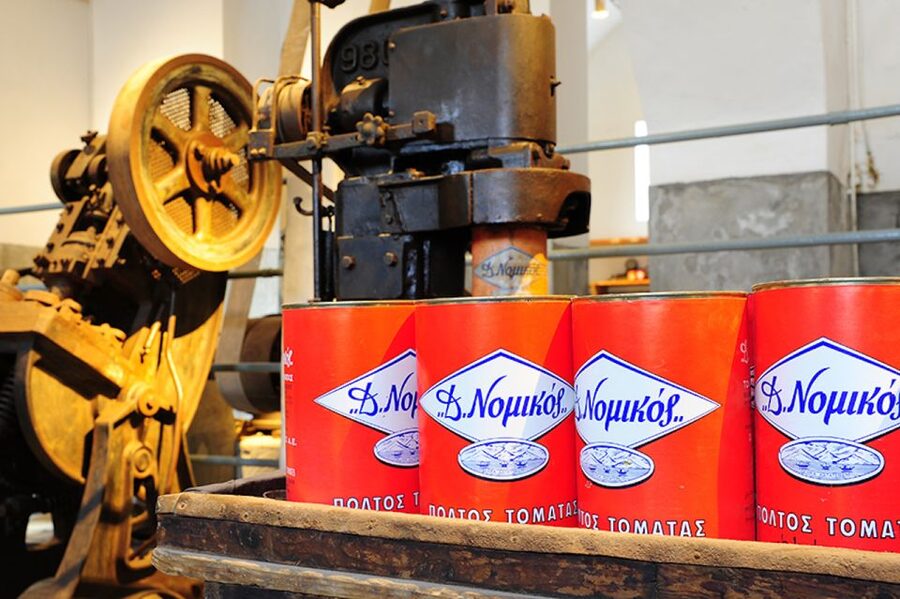
- See a real tomato factory: Explore the former D. Nomikos production site in Vlychada, including machinery and industrial work areas.
- Follow the tomato’s full story: Learn about cultivation, processing, and production methods used on Santorini since the 1890s.
- Use a five-language audio guide: Choose English, French, German, Italian, or Greek and move through the museum independently.
- Taste the local crop: Try Santorini’s small, sweet tomato and notice how different it is from the standard tomatoes sold elsewhere.
- Hear factory workers’ experiences: Audiovisual material preserves firsthand accounts from people who worked in the old factory.
- Shop for tomato products: The museum boutique sells products made with the local tomato.
Why Santorini built a museum around a small tomato
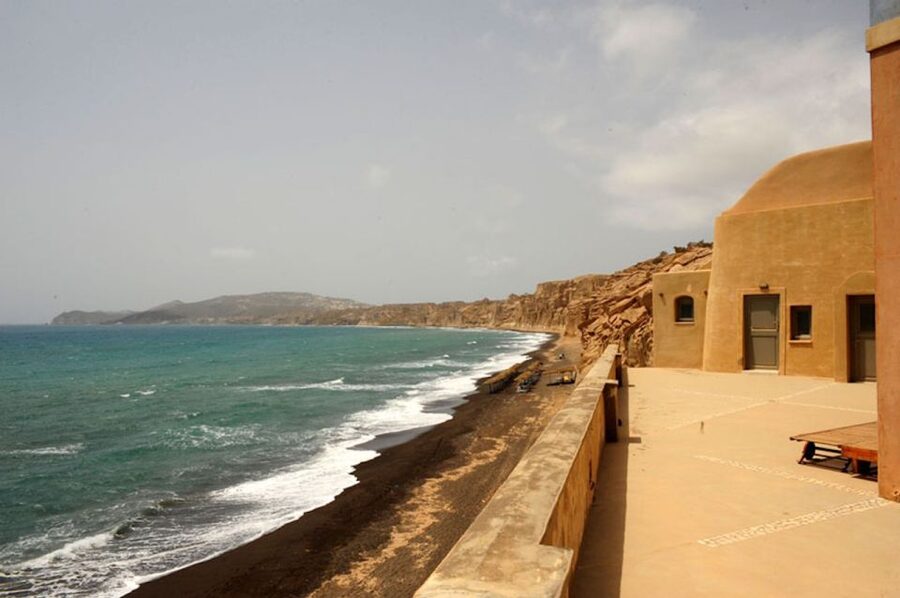
Many visitors first meet Santorini through its caldera views, white villages, and volcanic cliffs. This museum gives you a different way to understand the island. Its subject is not a grand monument. It is a small agricultural product that helped support local families and shaped Santorini’s industrial past.
The tomato grown here is a cherry-sized variety with a distinctive sweet flavor. Santorini’s dry conditions are central to the story. The museum explains how the crop was cultivated and then processed into products for wider sale.
That local focus is what makes the experience useful. You are not simply looking at old equipment. You are learning how island residents turned limited agricultural resources into a working food industry.
The factory dates from the industrial era that began for Santorini’s tomato producers at the end of the 19th century. The production methods on display show a period when food processing depended on practical machinery, seasonal labor, and hands-on skill.
If you have already spent several days admiring Santorini from scenic viewpoints, this visit adds some social and economic context. It shows how people lived and worked beyond the postcard villages.
More museums and galleries in Santorini:
- Megalochori: Lost Atlantis 9D Experience Museum Entry Ticket
★ 4.6 · 440 reviews - Santorini Small Group Guided E-bike Tour & Local Tomato Museum
★ 5.0 · 67 reviews - Wine Tour in Santorini with private guide, wine museum and tasting
★ 5.0 · 26 reviews
Entering the D. Nomikos factory in Vlychada
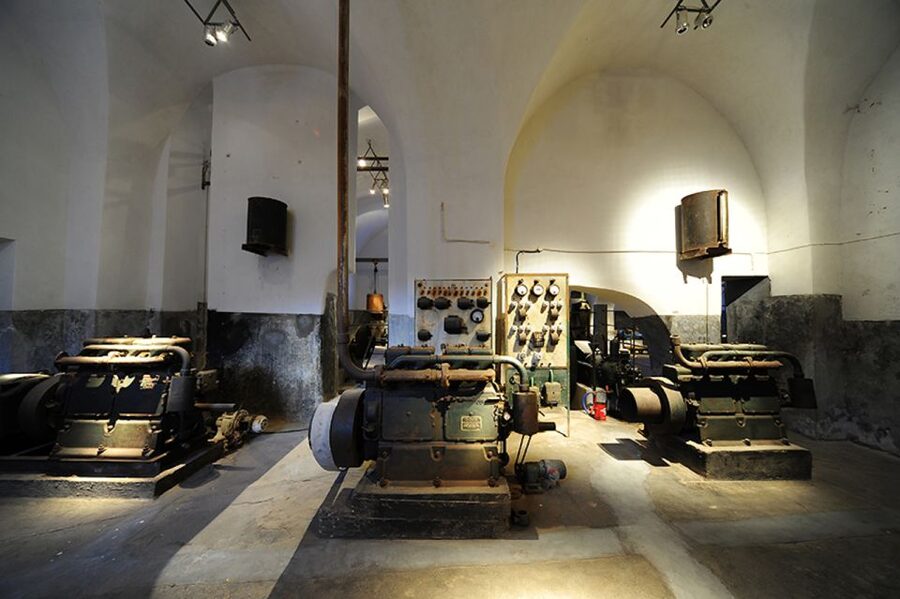
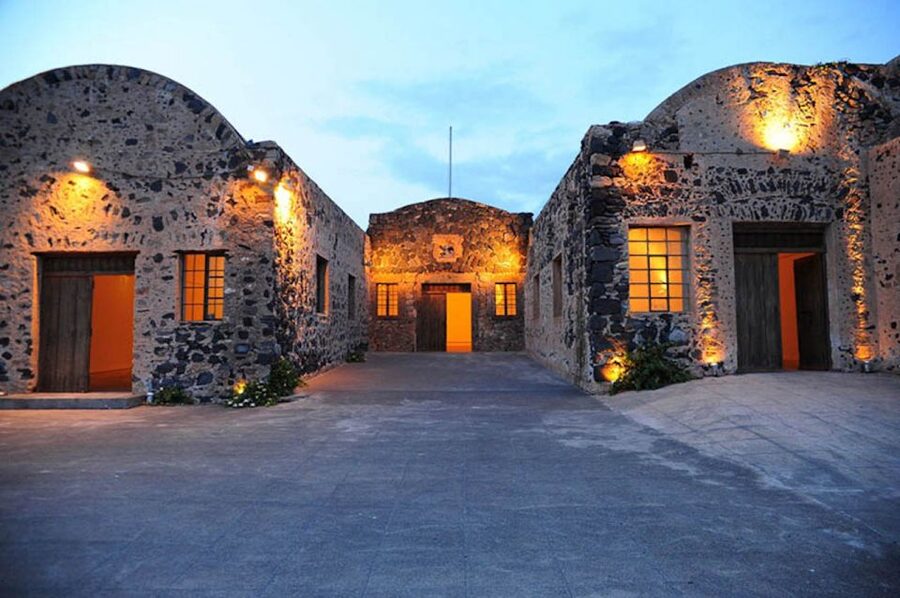
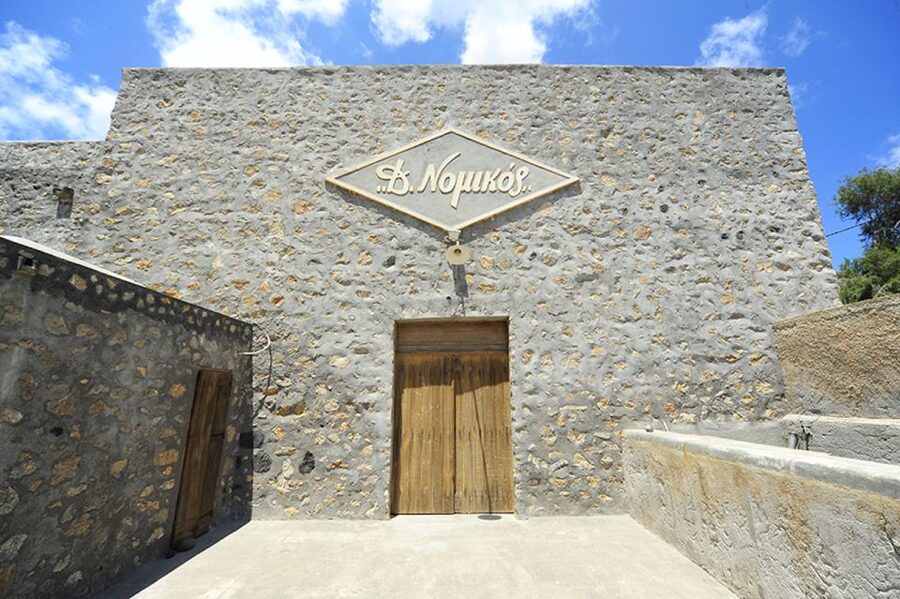
The museum is located at the former tomato factory of D. Nomikos in Vlychada. The complex has three main areas, and you explore them at your own pace with the audio guide.
The setting matters. A purpose-built exhibition hall could explain the tomato industry, but an actual historical factory gives the subject a stronger sense of place. The machinery, work areas, and old production setting help you picture the scale and effort involved.
You should expect an industrial museum rather than a standard food tasting. The focus is on the full production process, including how the tomatoes were grown, handled, processed, and prepared for sale.
The visit is compact enough to work well in a busy Santorini day. A verified French-language review described the museum as enjoyable, playful, and quick, with a tasting that worked well for children. That is useful advice if you are planning around a family schedule or trying to fit the museum between other stops.
At the same time, the short format means you should not expect a full-day guided program or a long meal. Food and drinks beyond the tomato tasting are not included.
Following the tomato from field to factory
The audio guide takes you through the cultivation, processing, and production of Santorini’s tomato. This order gives the visit a clear shape: first the crop, then the work needed to transform it, and finally the finished product.
The cultivation section helps explain why this tomato became so closely tied to the island. You learn about a crop that has been grown on Santorini since the late 1800s, rather than encountering it as just another local souvenir.
The processing areas show the practical side of the business. Instead of focusing only on the finished tomato product, the museum connects it to the machinery and labor behind it. That makes the exhibits more meaningful, especially if you enjoy seeing how older industries actually worked.
The production section brings the story into the factory itself. You see the equipment used in the industrial process and learn about traditional methods followed by local producers.
I find this sort of sequence more helpful than a museum that simply places old objects behind glass. You can connect each machine to a stage in the tomato’s journey. The audio guide fills in the explanation without requiring you to wait for a scheduled group.
There is no live guide included. An English or Greek host or greeter is available, but the main interpretation comes through the personal audio device. Bring headphones, as they are listed among the items you should have with you.
What the machinery tells you about old Santorini
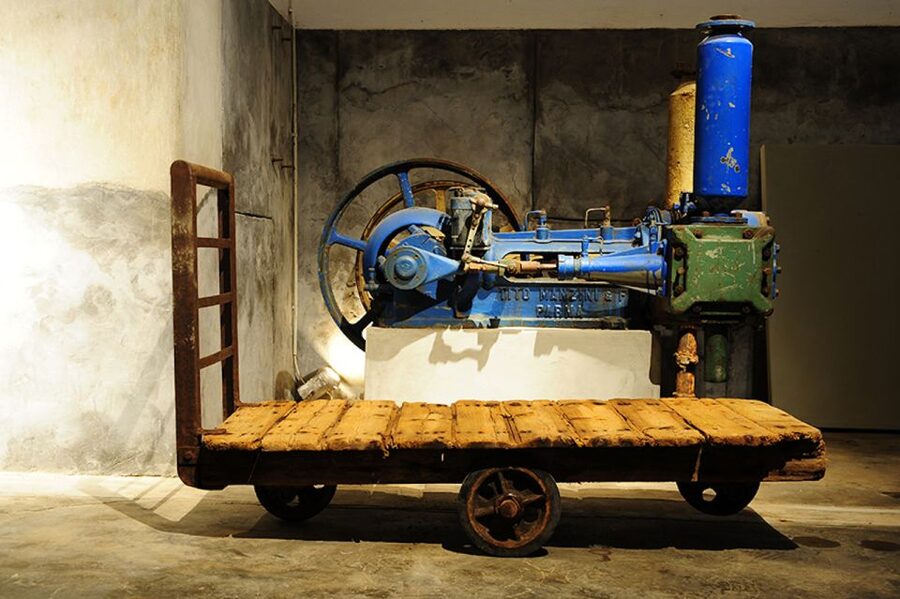
The factory machinery is one of the strongest reasons to visit. It gives the museum a physical link to the island’s working past and shows that Santorini’s food traditions were supported by industrial systems, not just small household gardens.
You can expect a range of exhibits connected to processing and production. The equipment is paired with audiovisual material, including firsthand accounts from former factory workers.
Those personal accounts add an important human layer. Machinery can show what people used, but worker memories help explain what the job felt like and how the factory operated as a workplace. They also preserve a period of Santorini’s history that could easily disappear as the island changes.
The museum is especially suitable if you enjoy practical history. You do not need to be a food specialist or an industrial-history enthusiast to follow the story. The subject is focused, the route is self-paced, and the audio guide provides the background as you move through the three areas.
Families may also find the format manageable. The experience does not require children to sit through a long lecture, and the tasting gives the visit a simple hands-on element. Still, the museum’s exact level of entertainment will depend on your child’s interest in machinery and food production.
More Santorini tours worth comparing
- Santorini: Akrotiri Entry Ticket and Audio Guide
★ 3.9 · 348 reviews - Authentic Santorini: A Self-Guided Audio Tour of Oia
★ 4.5 · 3 reviews
Tasting Santorini’s sweet cherry tomato
The tasting is a small part of the visit, but it gives the museum’s story a clear payoff. After learning how the crop was grown and processed, you can try the tomato itself and notice its distinctive flavor.
This is not presented as a full food tour. Food and drinks are not included as a general part of the admission, so you should treat the tasting as a sample connected to the museum’s subject.
The tomato is described as cherry-sized and sweet. That makes it easy to understand why tasting matters here. A label can tell you that Santorini’s tomato is different, but your own palate gives the information more meaning.
I like tastings that support the subject rather than distract from it. Here, the sample connects directly to the agricultural and industrial story. You taste the product, then you can better appreciate the work shown in the factory.
The tasting may be particularly useful for children because it gives them something immediate to do. The French-language feedback specifically praised the tasting and found the visit suitable for children. You should still allow for personal preferences, since not every child will want to try a new tomato product.
Five languages and a pace you control
The audio guide is available in English, French, German, Italian, and Greek. That is a practical advantage for an international destination such as Santorini, where visitors often travel in mixed-language groups.
You can stop, listen, and continue without keeping up with a live group. If one machine or section interests you, you can give it more time. If you are visiting with children or have a tight schedule, you can keep the pace moving.
This flexibility also makes the ticket easy to combine with other plans. The admission is valid for one day, and you can check available starting times when booking. The supplied information does not set a fixed visit length, so plan around the rest of your day rather than assuming a scheduled multi-hour tour.
The tradeoff is that an audio guide is less personal than a live historian. You cannot ask follow-up questions or request a deeper explanation of a particular machine. For many people, though, the freedom and language choice will matter more than live commentary.
The host or greeter languages are English and Greek, while the recorded guide offers the wider selection of five languages. Keep that distinction in mind if you need assistance at the entrance.
Getting to Vlychada from Fira
The museum is reachable by taxi or public bus from Fira. The public bus connection runs every two hours, so you need to check the return timing before you set out.
That schedule is the chief practical drawback. Missing a bus could leave you waiting longer than expected, and a short museum visit can become a larger time commitment once transport is added. A taxi gives you more control, but the price of that ride is separate from the $14 museum admission.
Vlychada is useful as part of a wider southern Santorini day, but the information provided does not include a transfer from your hotel. You must arrange transportation yourself.
I would check the bus timetable before leaving Fira and avoid planning a connection that gives you no margin. If your day depends on reaching another appointment at an exact time, a taxi may be the less stressful choice.
The museum is wheelchair accessible, which makes the visit more practical for many people. Bring your own headphones for the audio guide, and remember that no hotel transfer is included.
Is the $14 ticket good value?
At $14 per person, the ticket is reasonably priced for a focused museum visit that includes admission, an audio guide, access to the boutique, and a tomato tasting. You are paying for more than a display of packaged food. The ticket covers access to a former industrial site with machinery, audiovisual material, and a clear story about local production.
The value is strongest if you want an activity that explains Santorini beyond its scenery. You get a look at farming, factory work, and traditional production in one place.
It is also good value for families who want a short cultural stop. The visit is described as quick and suitable for children, so you are not committing to a long program that may lose their attention.
The value is weaker if you are expecting a large museum, a full meal, or a live expert-led tour. There is no live guide included, and food and drinks are not part of the ticket beyond the tasting connected to the experience.
The boutique adds another benefit, but purchases cost extra. You can buy products made with the local tomato, giving you a way to take the subject home. I would browse after the exhibits rather than beginning with the shop, since the products make more sense once you understand their connection to the factory.
Free cancellation up to 24 hours before the activity and a reserve-now, pay-later option make the booking more flexible. Those terms are helpful on an island itinerary, where weather and transport plans can change.
Who should make time for this museum?
I would recommend the museum to you if you enjoy local food, working history, small museums, or self-guided visits. It is also a smart choice if you want an indoor activity with a clear subject and a manageable visit length.
Families may appreciate the simple structure, the machinery, and the tasting. The audio guide means you can move along without waiting for a group, though you will need to bring headphones.
Food-minded visitors will get the most from the combination of explanation and tasting. The tomato is not just a snack here. It is the reason the factory existed, so the sample completes the story.
The museum may be less satisfying if your main goal is a panoramic view, a long guided conversation, or a substantial meal. Nothing in the experience replaces Santorini’s scenic attractions, and it should be chosen for its local industrial story rather than its sightseeing views.
Should you book the D. Nomikos Tomato Museum?
Book it if you want to understand one of Santorini’s traditional products in a direct, hands-on way. The $14 price, five-language audio guide, machinery, worker accounts, tasting, and product shop make it a useful cultural stop, especially for families and curious food lovers.
Before booking, solve the transport question. The every-two-hours bus from Fira requires planning, and hotel transfer is not included. If you are happy to arrange that, this compact museum offers a welcome change from Santorini’s famous viewpoints and gives you a better sense of the island’s working past.
FAQ
Where is the Santorini Tomato Museum?
The museum is at the Tomato Industrial Museum, D. Nomikos, in Vlychada, Santorini.
How much does admission cost?
The listed price is $14 per person.
How long is the ticket valid?
The admission is valid for one day.
Is transportation included?
No. Hotel transfer is not included. You can reach the museum by taxi or public bus from Fira.
How often does the public bus run from Fira?
The public bus connection with Fira runs every two hours.
Is a live guide included?
No. The experience includes an audio guide device, not a live guide.
Which audio guide languages are available?
The audio guide is available in English, French, German, Italian, and Greek.
Should I bring headphones?
Yes. Headphones are listed as something to bring for the audio guide.
Is the museum wheelchair accessible?
Yes. The museum complex is wheelchair accessible.
Can I buy tomato products at the museum?
Yes. The museum shop sells different products made with the local Santorini tomato.
Newest reviews from Santorini
- Santorini: Full-Day Small Group Tour★ 5.0 · 3 reviews
- Guided Tour: the Myth of Lost Atlantis★ 5.0 · 3 reviews
- Private Boat tour with snorkeling & Sea Caves★ 5.0 · 3 reviews
- Akrotiri: Singles’ Aromatherapy Massages★ 5.0 · 3 reviews
- Private Transfer from Santorini Airport to Santorini★ 5.0 · 3 reviews
- Santorini: Island Tour for Cruise Travelers★ 5.0 · 3 reviews
- Top Spots Bus Tour in Santorini with Transportation★ 3.5 · 3 reviews
- Half-Day Private Experience to Santorini Beach★ 5.0 · 3 reviews
Museums, compared.

Lost Atlantis 9D Experience Museum Entry Ticket
Read our review →
Santorini Small Group Guided E-bike Tour & Local Tomato Museum
Read our review →Wine Tour in Santorini with private guide, wine museum and tasting
Read our review →
Visit to a Wine Museum and Wine Tasting in Santorini
Read our review →
Santorini Visit Cave Wine museum and Wine tasting
Read our review →Browse the lists this tour appears in